Drive through almost any business park and the roofs all tell the same story from the ground. They look flat, clean, and unremarkable. There is nothing that suggests one of those buildings could still have a dependable roof fifteen years from now while another might already be dealing with leaks.
The difference usually starts long before anyone notices a problem.
Many owners begin by comparing roofing products. Contractors tend to begin somewhere else. They look at how the building works every day because that often explains far more than a product brochure ever will. Businesses that Learn More about Commercial Roofing often realize the roof is only one part of a much larger system.
| Roofing System | Often Chosen For | Primary Strength |
| TPO | Offices and warehouses | Reflective surface that may help improve energy efficiency |
| PVC | Restaurants and manufacturing facilities | Strong resistance to chemicals and moisture |
| EPDM | Large commercial buildings | Flexible performance through changing temperatures |
| Modified Bitumen | Low-slope commercial roofs | Durable layered construction |
| Metal Roofing | Industrial and commercial facilities | Long service life with relatively low maintenance |
Sometimes two neighboring buildings end up with completely different roofing systems, and both choices are correct.
The Work That Nobody Notices
Walk onto a finished roof and everything looks simple.
That can be misleading.
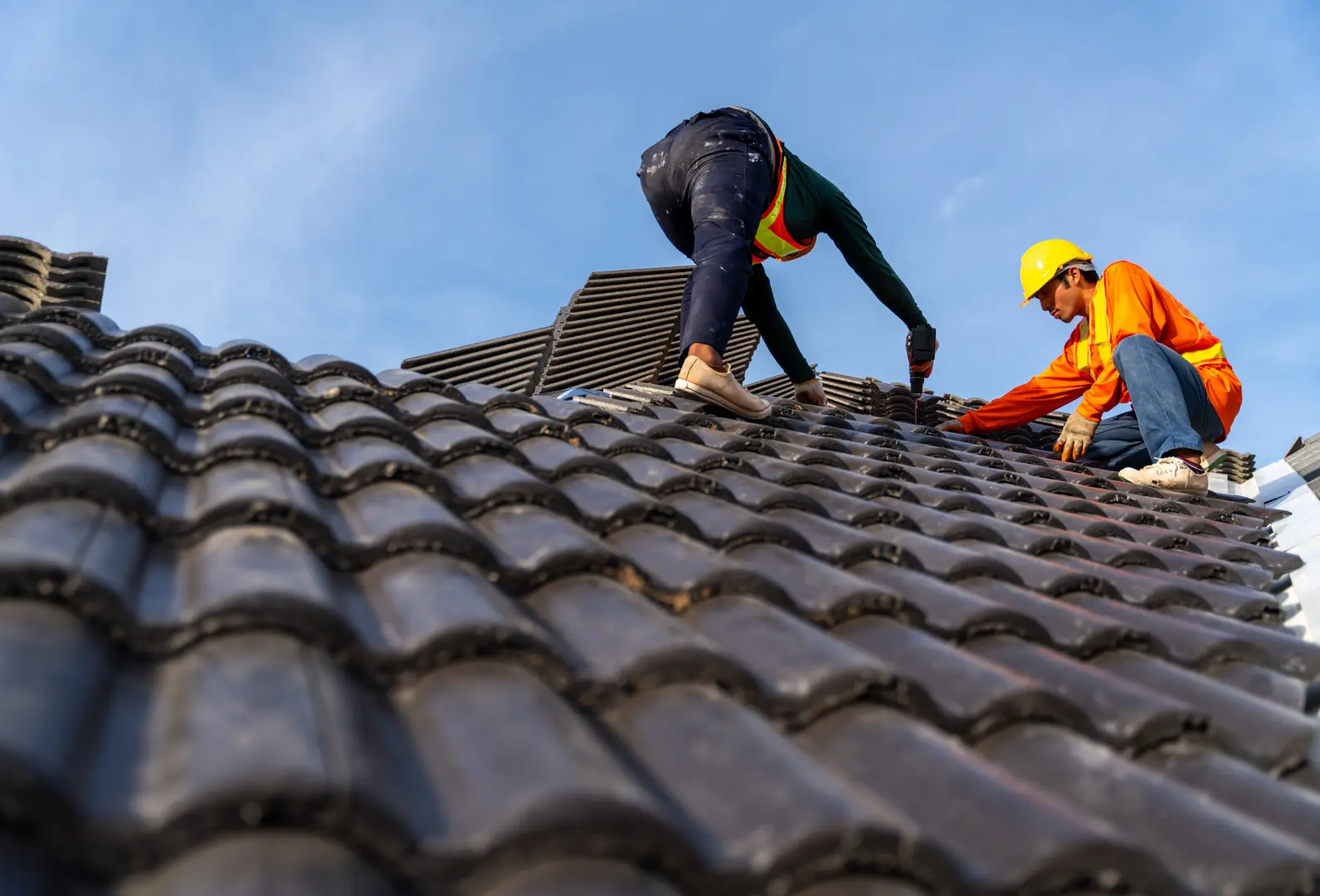
The important work often happened days earlier. Damaged decking may have been replaced before the membrane was installed. Wet insulation might have been removed. Drainage could have been adjusted because water had been collecting in one corner for years.
None of those repairs stand out after the project is finished.
They still matter.
Small Problems Usually Stay Small Only for a While
A clogged drain after heavy rain does not always look urgent. Neither does a loose section of flashing around rooftop equipment.
That is often how expensive repairs begin.
Water rarely rushes through a commercial roof the first time something goes wrong. It finds a small opening, works slowly beneath the surface, and keeps moving each time the weather changes. By the time stains appear inside the building, the original issue has often grown well beyond a quick repair.
Owners who Learn More about Commercial Roofing usually treat inspections as part of routine building maintenance rather than something to think about only after a leak appears.
It is usually the combination of many small decisions, made before and after installation, that separates a dependable commercial roof from one that begins demanding repairs much earlier than expected.