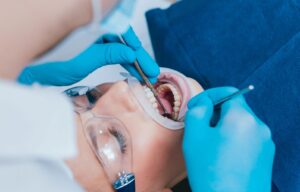

The Foundation of Effective Dental Care
When patients step into a dental surgery, they often focus on the technical expertise of their practitioner—the qualifications on the wall, the gleaming equipment, and the promise of a perfect smile. However, an equally crucial factor frequently goes unnoticed: the way dental professionals communicate with their patients. The dialogue between dental team and a patient is far more than polite conversation; it serves as the cornerstone of successful treatment outcomes and long-term oral health.
Research has consistently demonstrated that effective communication between healthcare providers and patients significantly improves clinical outcomes, and dentistry is no exception to this rule. The manner in which a dental team explains procedures, addresses concerns, and builds rapport can determine whether a patient follows through with recommended treatments, maintains regular appointments, or develops lasting trust in their dental care provider.
Understanding the Communication-Treatment Connection
Building Trust Through Transparent Dialogue
Trust forms the bedrock of any successful patient-dental practitioner relationship. When a dentist Borehamwood patients visit takes time to explain treatment options clearly and without jargon, patients feel respected and valued. This transparency encourages individuals to ask questions, voice concerns, and actively participate in their own care decisions. Conversely, rushed explanations or dismissive responses can create barriers that prevent patients from fully engaging with their treatment plans.
The psychological impact of clear communication extends beyond mere understanding. Patients who comprehend the rationale behind recommended procedures are more likely to perceive the value of treatment, leading to higher compliance rates and better overall outcomes. This educational approach transforms passive recipients of care into informed partners in the treatment process.
Reducing Anxiety and Improving Compliance
Dental anxiety affects a substantial portion of the population, with patient anxiety presenting a significant challenge to treatment success and satisfaction. A dentist’s communication style plays a pivotal role in either alleviating or exacerbating these fears. Practitioners who employ calm, reassuring language whilst providing step-by-step explanations of procedures can dramatically reduce patient stress levels.
When patients feel at ease, they are more likely to attend regular check-ups, complete multi-stage treatments, and maintain the preventive care routines recommended by their dental team. This cycle of positive reinforcement creates a foundation for optimal oral health that extends well beyond the dental chair.
The Role of Active Listening
Effective communication is not merely about what dentists say, but equally about how well they listen. Active listening involves giving patients undivided attention, acknowledging their concerns, and responding thoughtfully to their questions. When patients feel heard, they are more likely to disclose relevant medical history, describe symptoms accurately, and express their treatment preferences honestly.
This two-way dialogue enables dental professionals to tailor treatment plans to individual needs, taking into account not only clinical requirements but also personal circumstances, financial constraints, and lifestyle factors. Such personalised care inevitably leads to better adherence and more satisfactory outcomes for all parties involved.
The Impact on Long-Term Dental Health
The benefits of strong communication extend far beyond individual appointments. Patients who develop positive relationships with their dental team Borehamwood practices offer are significantly more likely to maintain regular attendance over years and even decades. This continuity of care allows for early detection of potential issues, preventive interventions, and the development of comprehensive treatment strategies that address long-term oral health goals.
Furthermore, patient-centred communication in healthcare settings has been shown to improve health literacy, empowering individuals to make informed decisions about their care. When dentists invest time in explaining the connections between oral health and overall wellbeing, patients become more motivated to adopt beneficial habits such as improved brushing techniques, dietary modifications, and smoking cessation.
Creating Lasting Positive Outcomes
The evidence is clear: a dental team in Borehamwood residents choose who prioritises clear, empathetic communication delivers more than just technical dental services. They create an environment where patients feel valued, understood, and motivated to take an active role in their oral health journey. This collaborative approach transforms routine dental visits into opportunities for education, prevention, and genuine partnership in care.
As patients become more discerning in their choice of dental providers, communication skills will increasingly distinguish exceptional practitioners from merely competent ones. The dentists who thrive will be those who recognise that every conversation is an investment in better treatment outcomes and healthier, happier patients.